For a raw powerlifter sitting under the 200lb mark, the rogue ohio bar vs eleiko ipf bar for lightweight powerlifters question almost always comes down to one practical truth: the Rogue Ohio Bar is the smarter buy unless you are actively chasing an IPF-sanctioned total in 2026. The Ohio's 28.5mm shaft, 190K PSI tensile strength, and aggressive (but not skin-shredding) knurl give a 165–198lb raw lifter near-identical performance to the Eleiko under 500lb squats and 600lb deadlifts — at roughly a third of the price. The Eleiko IPF bar earns its premium only when you are competing on the platform.
Quick verdict for sub-200lb raw powerlifters
Top Picks
If you train at home, lift in untested local meets, or simply want the best home-gym bar money can sensibly buy, the Rogue Ohio Bar wins. Its bronze bushings, dual marks, and composite-sleeve options handle 90% of what a 181lb or 198lb raw lifter throws at it. The Eleiko IPF Powerlifting Bar — the actual blue-end-cap bar used at IPF Worlds — is a genuinely better tool, but the gap is narrow at sub-elite loads. For most lifters reading the rogue ohio bar vs eleiko ipf bar for lightweight powerlifters debate, the $700+ premium buys peace of mind, not pounds on the bar.
Spec comparison: Rogue Ohio vs Eleiko IPF Powerlifting Bar
| Spec | Rogue Ohio Bar (Stainless) | Eleiko IPF Powerlifting Bar |
|---|---|---|
| Shaft diameter | 28.5mm | 29mm (IPF spec) |
| Tensile strength | ~190,000 PSI | ~215,000 PSI |
| Weight capacity (static) | 1,500 lb | 1,500 kg (~3,300 lb) |
| Knurl pattern | Dual marks, mountain knurl, no center knurl (or optional) | IPF marks, center knurl mandatory, sharper volcano knurl |
| Sleeve rotation | Bronze bushings | Bronze bushings (calibrated for slow squat/bench whip) |
| Whip | Moderate, multipurpose | Stiffer, tuned for pressing and slow squat descent |
| IPF certification | No | Yes (legal for sanctioned IPF/USAPL meets) |
| Typical 2026 price | $325–$425 | $1,050–$1,200 |
| Warranty | Lifetime against bending | Lifetime |
Rogue Ohio Bar: the home gym workhorse
The Ohio is the bar that turned Rogue from a CrossFit supplier into a powerlifting staple. For a lifter weighing 165–198lb who squats 315–500, benches 225–365, and deadlifts 405–600, the 28.5mm shaft hits a near-perfect compromise: thin enough to wrap a hook grip around for deadlifts, thick enough to feel planted in the back-squat groove. The mountain knurl bites without ripping calluses during high-volume bench sessions — a real concern for lighter raw lifters running 5x5 programming.
What separates the Ohio from cheaper 28.5mm bars is shaft flex consistency. Bushing wear is glacial; I've seen Ohio bars in basement gyms log five years of daily abuse with no measurable sleeve wobble. The stainless steel finish (worth the upcharge) eliminates the chalk-and-sweat rust cycle that plagues bare-steel bars in humid garages. For a sub-200lb raw lifter who will never touch IPF certification, the Ohio is functionally the ceiling.
If you are still building the rest of your setup, see our companion guides to power racks under $800 in 2026 and calibrated plates vs bumper plates for raw lifters — both pair directly with the Ohio's 50mm sleeves.
Eleiko IPF Powerlifting Bar: the meet-day standard
The Eleiko IPF Powerlifting Bar is a different animal. The 29mm shaft (IPF-mandated since 2019) feels noticeably stouter in the hand. Tensile strength climbs to roughly 215K PSI, and Eleiko's heat-treatment process means the bar returns to perfect straightness even after a missed 700lb squat. The volcano knurl is sharper than the Ohio's, which lighter raw lifters often praise on heavy singles but curse during 8×3 squat blocks — bring a long-sleeve shirt or tape your back.
The defining feature is calibration. Every Eleiko competition bar is weighed and certified to within 5g of 20kg. For lifters in the 83kg/93kg classes who are close to the boundary, this matters. The center knurl is mandatory and aggressive, which is the right call for a serious squatter but uncomfortable for high-bar bench-day touches.
At $1,050+ in 2026, you are buying a competition tool. If your goal is to qualify for nationals or train identically to meet-day equipment, no other bar comes close. If your goal is to add 50lb to your squat over the next year while training in a garage, the math gets harder to defend.
Whip, knurl, and spin: what actually matters under 500lb
Bar whip becomes a felt variable somewhere around 1.5x bodyweight on the squat and 2x bodyweight on the deadlift. For a 181lb lifter, that's roughly 275lb squat and 365lb deadlift. Below those thresholds, the difference between the Ohio and Eleiko is essentially imperceptible. At 405lb deadlift, the Ohio whips slightly more out of the floor — some lifters like that pop, others find it disruptive to bar path. At 500lb+ squats, the Eleiko's stiffer shaft makes the descent feel more predictable.
Spin is similarly load-dependent. Both bars use bronze bushings (not bearings — bearings belong on Olympic weightlifting bars). For raw powerlifting movements, you don't want fast spin; you want controlled rotation that doesn't torque your wrist on the press lockout. Both bars deliver that. The Ohio's spin is slightly looser out of the box; the Eleiko's is more damped. Neither is wrong for sub-200lb raw lifting.
Pairing your bar with home gym accessory equipment
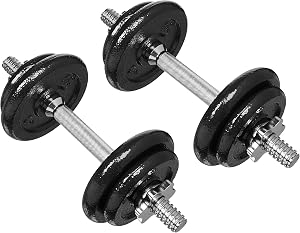
Both bars handle the big-three lifts beautifully, but raw powerlifters under 200lbs accumulate volume on accessories: dumbbell rows, incline presses, lateral raises, Bulgarian split squats. Buying a full rack of fixed dumbbells in a home gym is almost never worth the floor space. Adjustable dumbbells are the right call for accessory work, and a few stand out in 2026 for serious lifters.
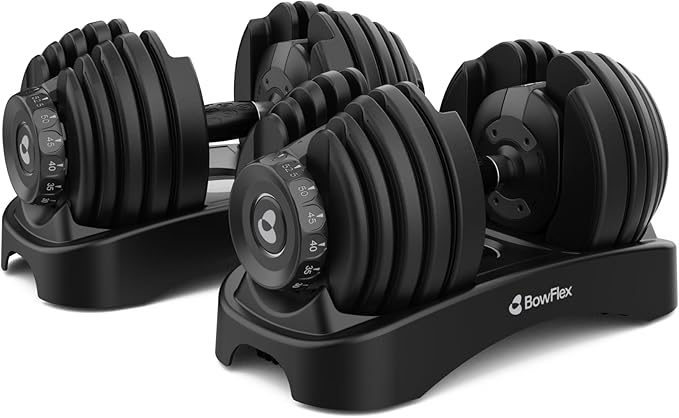
BowFlex SelectTech Results Series — best for press-heavy accessory work
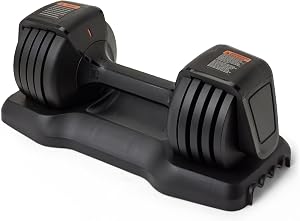
The updated BowFlex Results Series goes to 90lb per hand in 5lb increments, which is enough for incline DB presses and rows even for a 198lb raw bencher running 405+. The dial-and-go selector is faster than plate-loaded adjustables, which matters when you're cycling DB bench, row, and overhead press supersets. Check current pricing on the BowFlex Results Series SelectTech Adjustable Dumbbells.
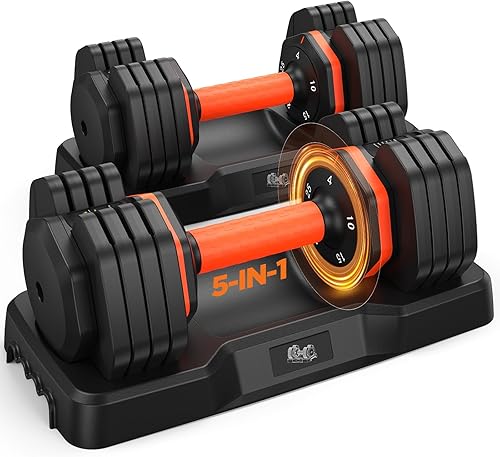
FEIERDUN DS2 20–90lb — best budget pick for sub-200lb lifters
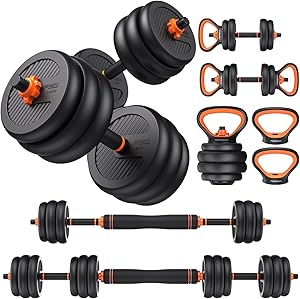
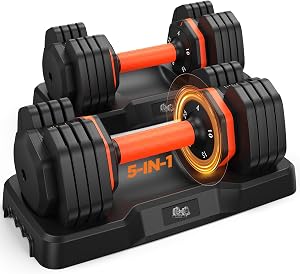
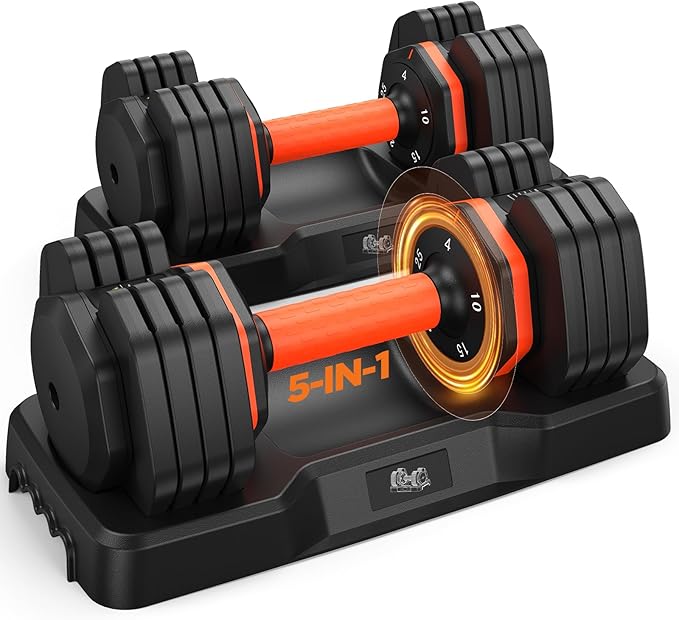
If you can stomach a non-name brand, the FEIERDUN DS2 hits 90lb per hand with a connector option that turns the pair into a 180lb short barbell — surprisingly useful for goblet squats and farmer carries. Build quality is a tier below BowFlex, but at roughly half the price it's the smart pick for lifters spending the bulk of their budget on the Ohio or Eleiko. See the FEIERDUN DS2 Adjustable Dumbbells listing for current configurations.
FDB2 110lb Set with Stand — for heavier accessory work
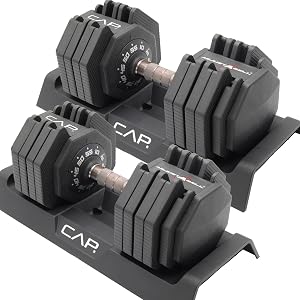
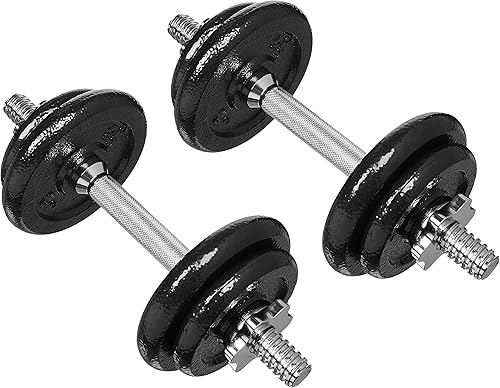
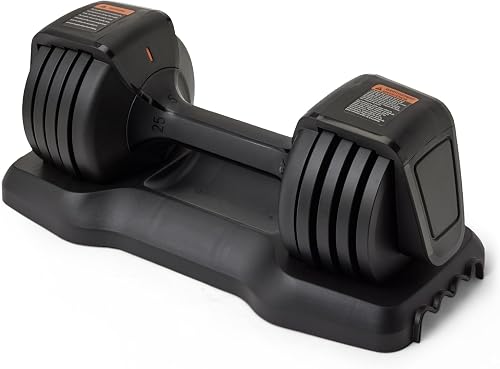
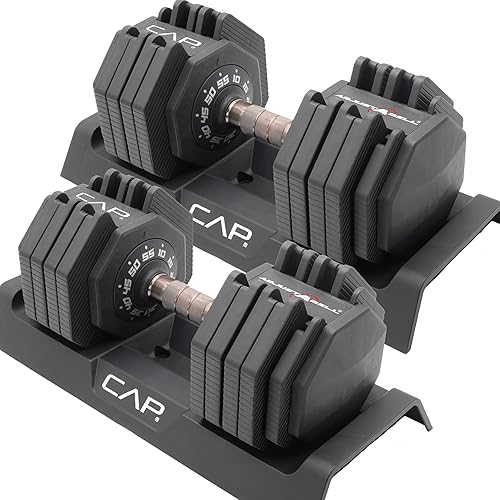
For lifters whose DB rows have outgrown 90lb, the FDB2 set extends to 110lb per hand and ships with a stand that keeps the dumbbells off the platform. It's heavier and slower to adjust than the BowFlex, but the extra ceiling matters if you're a 198lb raw lifter pushing toward a 600lb deadlift. The FDB2 Adjustable Dumbbell Set with Stand is the closest thing to a Rogue-tier adjustable on Amazon.
Final verdict: which bar for raw lifters under 200lbs?
Buy the Rogue Ohio Bar. The rogue ohio bar vs eleiko ipf bar for lightweight powerlifters debate is genuinely close on performance, but the price gap of $700+ is enormous for a home gym lifter who isn't competing in IPF. Put the savings into proper deadlift platform flooring, calibrated change plates, and a quality bench. If you do qualify for an IPF/USAPL national meet, attend a sanctioned warm-up session beforehand — the Eleiko's feel is unique, but you don't need to own one to peak for the platform. Most coaches recommend renting platform time at a barbell club in the lead-up rather than owning a $1,200 bar that lives in your garage.
The exception: if you are within 12 months of competing at an IPF Worlds or have a deadlift over 700lb, the Eleiko's calibration and stiffer shaft begin to materially matter. For everyone else under 200lb bodyweight, the Ohio is the bar you'll never outgrow.
Frequently Asked Questions
Is the Rogue Ohio Bar IPF-approved for sanctioned powerlifting meets?
No. The Rogue Ohio Bar is not on the IPF approved equipment list and cannot be used at IPF, USAPL, or IPL-affiliated sanctioned competitions. It is fully legal for USPA, RPS, SPF, and most regional federations. If you compete only in untested or non-IPF feds, this restriction does not affect you.
Will a 198lb raw squatter actually feel the difference between a 28.5mm and 29mm bar?
Most lifters cannot reliably distinguish 28.5mm from 29mm by feel alone in a blind test. The functional difference appears in two places: hook grip on max deadlifts (the thinner Ohio is slightly easier) and bench unrack feel (the thicker Eleiko sits more firmly in the palm). Below a 500lb squat and 600lb deadlift, neither difference will limit performance.
Does the Rogue Ohio Bar have a center knurl, and do I need it?
Rogue sells the Ohio Bar in versions with and without center knurl. For raw powerlifting, the center-knurl version is strongly recommended — it grips your shirt on heavy back squats and prevents the bar from sliding down your back. The Eleiko IPF bar requires a center knurl by spec. If you split time between powerlifting and Olympic lifts, the no-center-knurl Ohio is the better compromise.
How long does a Rogue Ohio Bar last for a daily home gym powerlifter?
Indefinitely under normal use. The lifetime warranty against bending covers anything short of dropping it across a rack from height. Bushing wear is measured in years, not months. The stainless steel finish eliminates rust as a wear factor. Most Ohio bars in long-term home gym service look identical to a new bar after five years of use.
What's the cheapest IPF-approved bar that competes with the Eleiko?
The IPF-approved Texas Power Bar (Buddy Capps) and the Kabuki Strength Power Bar typically sit in the $500–$700 range — meaningfully cheaper than the Eleiko while remaining sanctioned. For lifters who want IPF legality without paying Eleiko prices, those are the practical alternatives. The Eleiko premium reflects calibration tolerance and brand prestige more than raw performance.
Can I deadlift with the Rogue Ohio Bar or do I need a separate deadlift bar?
You can absolutely deadlift with the Ohio — it's a stiff powerlifting bar designed for it. A dedicated deadlift bar (Texas Deadlift Bar, Rogue Deadlift Bar) gives extra whip that helps lifters pulling 500lb+, but for sub-500lb pullers the Ohio is more than sufficient and arguably better for building strength off the floor. Most lifters under 200lb bodyweight do not need a dedicated deadlift bar until they're chasing a 600lb pull.
How does the knurl on the Ohio compare to the Eleiko for high-volume training?
The Eleiko's volcano knurl is sharper and more aggressive — ideal for max singles but punishing on high-rep work. The Ohio's mountain knurl is moderately aggressive, which most lifters prefer for the 5x5 and 8x3 blocks typical of off-season raw training. If you run high-volume programming year-round, the Ohio is the more comfortable daily driver. If your training is built around heavy singles and competition-style attempts, the Eleiko's bite becomes an asset.
Key Takeaways
- Choosing the right rogue ohio bar vs eleiko ipf bar for lightweight powerlifters means matching capacity and output ports to your actual devices
- Always check actual watt-hours (Wh), not just watts — runtime depends on Wh, not peak output
- Also covers: ohio power bar vs eleiko for 181lb class
- Also covers: best powerlifting bar for sub 200lb lifters
- Also covers: eleiko ipf bar review lightweight lifter
- Compare price-per-Wh across models to find the best value for your budget