To protect epoxy garage floor from rogue echo bumper plates, you need a layered drop zone: a 3/4" rubber stall mat or horse mat on top of a plywood subfloor, positioned directly under the bar path. Epoxy is hard but brittle, and Rogue Echo plates weigh 45 lb of dense virgin rubber that concentrate impact into a tight ring on the plate edge. A single dropped triple at 315 lb can chip, star-crack, or delaminate epoxy in one rep. The fix is absorbing the strike energy before it reaches the coating, not hoping the coating is tough enough.
This 2026 guide walks through exactly what materials to stack, how thick to go, where to position the drop zone, and which lower-impact training alternatives let you keep lifting without trashing the finish you just paid $2,000 to install.
Why epoxy and Rogue Echo plates are a bad match
Top Picks
Epoxy garage coatings are typically 8 to 25 mils thick once cured. They bond chemically to the concrete and resist abrasion, oil, and tire marks beautifully. What they do not resist is point-load impact. When a 45 lb Echo plate falls from lockout (roughly seven feet for an overhead drop), it generates a peak force in the thousands of pounds spread across the narrow steel-reinforced rubber rim of the plate. That force does not get absorbed by epoxy; it transfers straight into the concrete below, and the concrete flexes microscopically. The epoxy on top, being far less elastic than rubber, fractures.
The damage shows up as one of three patterns: a white star crack radiating from the impact point, a clean chip where a flake of epoxy lifts cleanly off the substrate, or a hairline delamination ring that you only notice months later when dirt works its way underneath. Once any of those happen, the only real repair is grinding and recoating that section, which never matches the original color perfectly.
The three-layer drop zone that actually works
Every garage gym owner with a Rogue setup eventually arrives at the same solution: a stacked drop zone built specifically under the bar. Here is the layering, bottom to top.
Layer 1: 3/4" plywood subfloor
Cut two sheets of 3/4" tongue-and-groove plywood to span at least 8 feet by 4 feet, centered where the bar will land. Plywood spreads the impact across a much larger surface area than rubber alone, which is the single most important factor in protecting epoxy. Without plywood, even thick rubber mats let the plate edge punch a localized strike straight through to the floor.
Layer 2: 3/4" rubber stall mat or two stacked 1/2" rubber rolls
On top of the plywood, lay a horse stall mat. The cheap 4x6 ft mats from farm supply stores are the standard, and they work as well as anything from specialty fitness retailers at a third of the price. Two stacked mats in the actual drop zone (where the plates land) gives you 1.5" of rubber, which is what Rogue itself recommends for deadlift platforms.
Layer 3: Optional crash pads for heavy singles
If you are pulling above 500 lb or doing overhead drops with axles, add a pair of foam crash pads on either side of the platform. These take the worst of the impact during failed lifts. For standard training in the 135 to 405 lb range, layers one and two are sufficient.
Comparison: drop-zone options ranked by floor protection
| Setup | Epoxy Protection | Cost (2026) | Noise Reduction | Best For |
|---|---|---|---|---|
| Bare epoxy | None | $0 | None | Never drop plates |
| Single 3/4" stall mat | Marginal | $60 | Low | Light drops under 225 lb |
| Plywood + 1 stall mat | Good | $140 | Medium | Most home lifters |
| Plywood + 2 stacked mats | Excellent | $200 | High | Heavy deadlifts, Oly lifts |
| Full Rogue-style platform | Maximum | $350+ | Highest | Serious lifters, long-term setup |
| Switch to adjustable dumbbells | Total | $300-700 | Total | Accessory work, no platform space |
Lower-impact alternatives that bypass the problem entirely
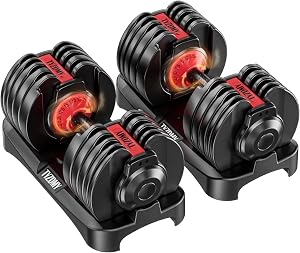
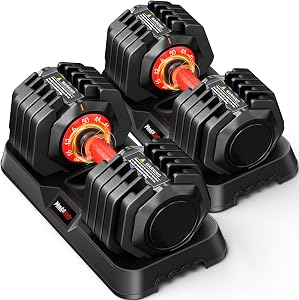
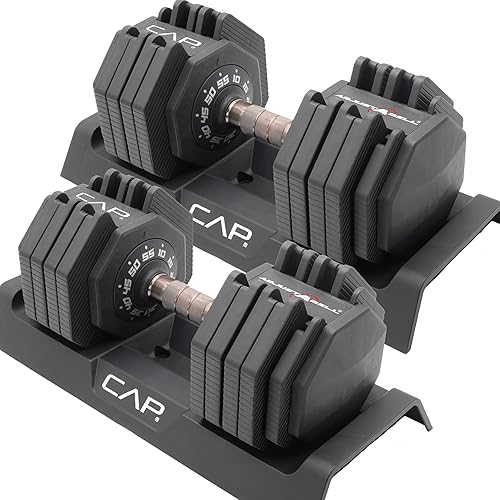
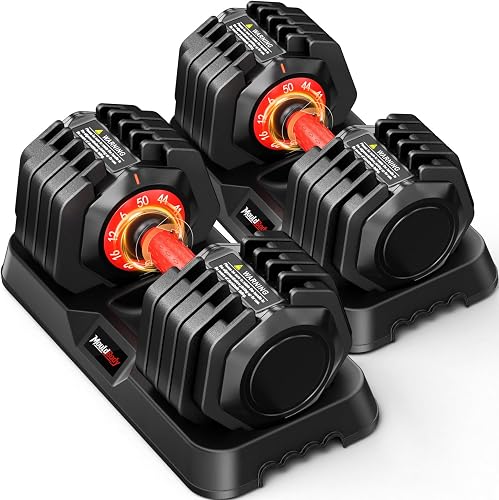
Not every workout needs bumper plates. A surprising amount of strength and hypertrophy work can be done with adjustable dumbbells that never get dropped from height. If your epoxy floor is precious and your training is mostly accessory-focused, swapping to a quality adjustable set for 70% of your sessions is the cheapest insurance policy you can buy. You only break out the Echo plates for the lifts that genuinely require them.
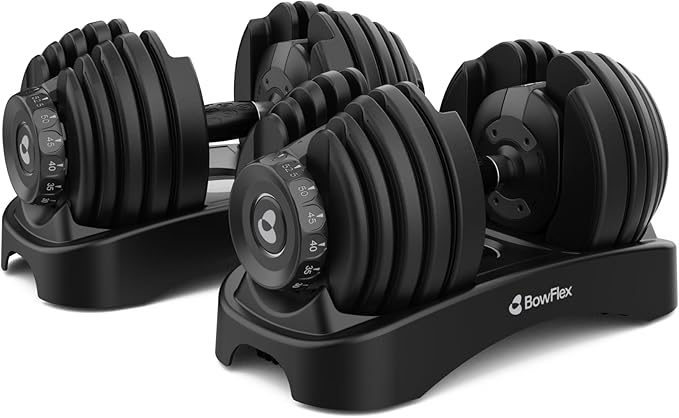
BowFlex Results Series SelectTech Adjustable Dumbbells
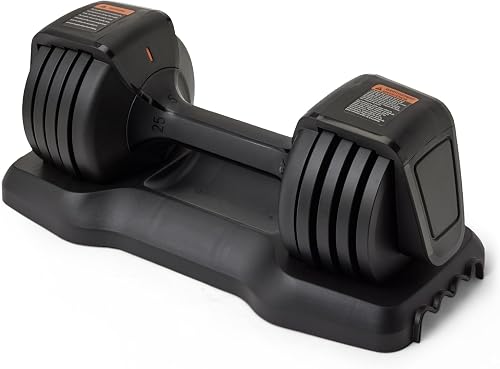
The BowFlex Results Series is the current generation of the SelectTech line, and it remains the most floor-friendly heavy dumbbell option on Amazon. The dial system adjusts in 2.5 lb increments up to a respectable cap, and the contoured base sits flat on epoxy without scratching. Because they live on a cradle, they never get dropped from a press position, which is exactly the use case that wrecks coatings. Check the BowFlex Results Series on Amazon.
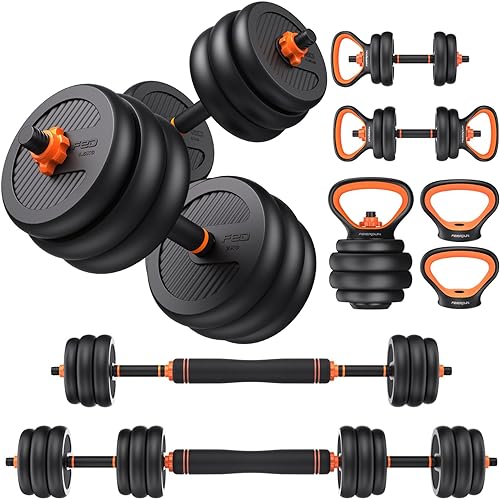
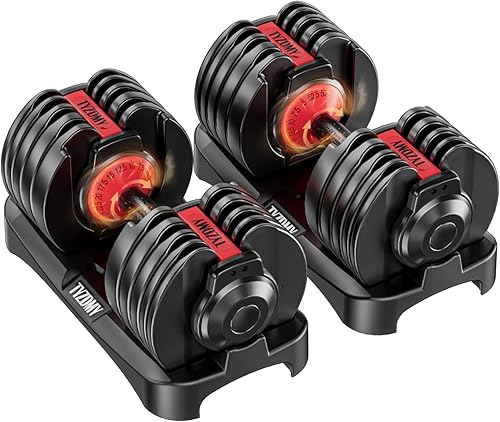
FDB2 Adjustable Dumbbell Set with Stand
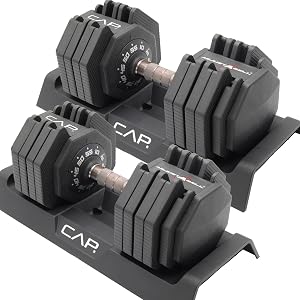
The FDB2 set goes up to 110 lb per hand and ships with its own stand, which is the detail that matters for floor protection. The stand holds the dumbbells at thigh height so you rack them rather than placing them on the floor. That means zero direct floor contact during a typical workout. The all-metal plates lock with a quick-twist mechanism, so you are not fumbling with collars. See the FDB2 set with stand on Amazon.
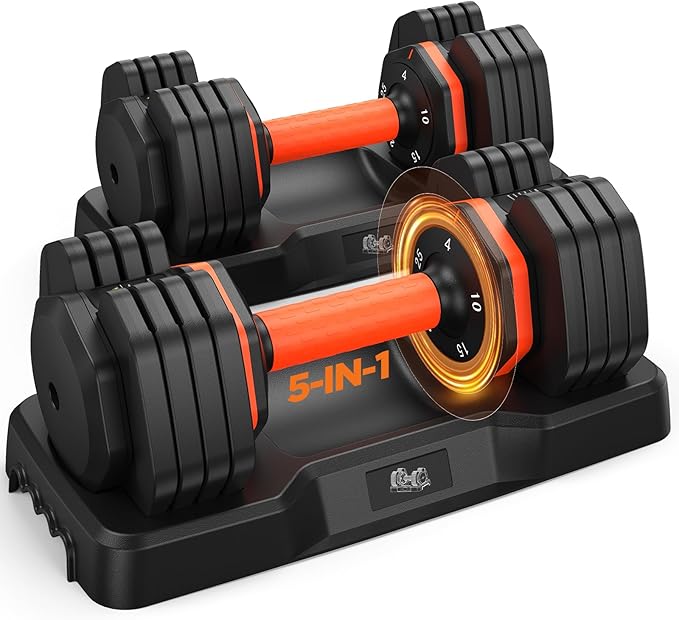
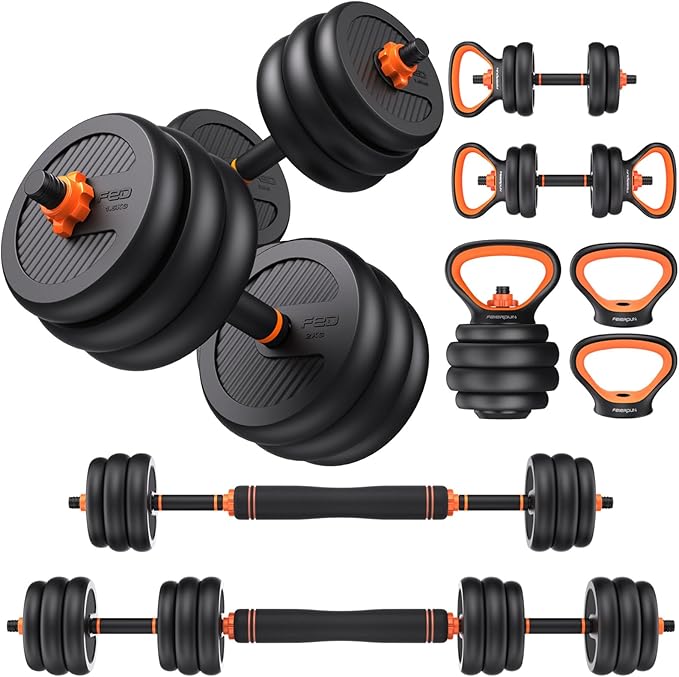
FEIERDUN DS2 Adjustable Dumbbells with Connector
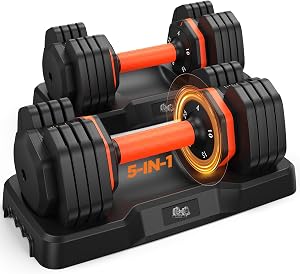
The DS2 has a feature most adjustable dumbbells lack: a connector that joins both handles into a short barbell. For a garage gym with an epoxy floor, this matters because it lets you do light barbell movements (rows, presses, RDLs) without breaking out the 45 lb Echo plates. The connector keeps the load below 180 lb total, which is well below the threshold where you would ever need to drop the bar. View the FEIERDUN DS2 on Amazon.
Drop technique that protects epoxy even with bumpers
Most epoxy damage from Echo plates happens not from heavy deadlifts but from sloppy unloading. Lifters finish a set, stand up, and let the bar tip forward off their hips while they walk away. The plate hits the edge of the mat or misses it entirely. Three rules eliminate 90% of this:
Rule one: always lower the bar to the platform, not the floor. Even a guided drop from waist height onto plywood-backed rubber is gentler than a free fall from lockout.
Rule two: keep your drop zone marked. Run a strip of brightly colored gaffer tape along the platform edge so you can see in your peripheral vision whether the bar is landing in the safe zone.
Rule three: never drop a single plate. If you have to strip the bar mid-workout, unload it with both hands and set the plate down. A 45 lb Echo plate landing flat on epoxy from even six inches will leave a mark, because the contact patch is small and the plate is dense.
What to do if your epoxy is already damaged
If you are reading this after the fact, small chips can be filled with two-part epoxy crack repair kits sold at hardware stores. Color matching is imperfect, but a chip filled with tinted epoxy is far less noticeable than an open chip that collects dirt. For star cracks, the only real fix is grinding the affected square foot and recoating, which is a Saturday project if you already have the original color on hand. For widespread delamination, you are looking at a full strip and recoat, which is when most garage gym owners decide to skip epoxy entirely and switch to bare sealed concrete under a full rubber floor.
Long-term setup recommendations
If you are still in the planning phase, the cleanest approach is to designate a 6x8 ft permanent lifting zone, lay your plywood and rubber on top of the epoxy in that zone, and leave the rest of the garage as showroom epoxy. This gives you a real platform where it matters and preserves the look everywhere else. Rogue sells modular platforms that bolt together for this exact purpose, but a DIY build with plywood and stall mats costs a quarter of the price and performs identically for protection.
For more on optimizing a garage gym layout around floor protection, see our guides on rubber gym flooring tiles for deadlifts and building a DIY lifting platform. If you are still deciding between Echo and other bumper options, our Rogue Echo versus Fringe Sport comparison covers the noise and bounce differences that matter for home use.
The bottom line on protecting epoxy from Echo plates
To reliably protect epoxy garage floor from Rogue Echo bumper plates, build a plywood-and-rubber platform under the drop zone, drop with intention rather than letting the bar fall freely, and consider using adjustable dumbbells for the accessory work that does not require plates at all. The cost of doing it right once is roughly $150 to $250 in materials. The cost of skipping it is grinding and recoating sections of floor that never quite match again.
Frequently Asked Questions
Will horse stall mats alone protect epoxy from dropped Echo plates?
A single 3/4" stall mat is not enough. The plate edge concentrates impact and the rubber compresses against the epoxy beneath, transmitting most of the force through. You need plywood underneath the rubber to spread the load across a larger area. The plywood-plus-mat combination is the minimum effective setup.
How thick should the rubber be in a deadlift drop zone for epoxy floors?
Industry standard for a serious drop zone is 1.5" of rubber over 1.5" of plywood. You can get away with 3/4" of rubber over 3/4" of plywood for lifters working under 405 lb, but stacking two 3/4" mats in the actual landing zone is cheap insurance that adds maybe $60 to the build.
Can I just use thick foam puzzle mats instead of rubber?
No. Foam puzzle mats are designed for bodyweight training and light dumbbells. They bottom out instantly under bumper plate impact and offer no real protection for epoxy underneath. They also tear at the seams when plates land on edges.
Are Rogue Echo plates worse for floors than other bumper brands?
Echo plates are denser than competitor bumpers, which means lower bounce but higher initial impact force. Lower bounce is generally better for floors because the plate stays where it lands instead of skipping. However the higher density means a thinner plate profile that concentrates force more, so the protection requirements are the same as any other quality bumper.
Does dropping bumper plates void epoxy floor warranties?
Most residential epoxy warranties specifically exclude impact damage, including dropped weights. Read the fine print before assuming you have coverage. Some commercial-grade industrial coatings handle impact better but cost three to five times as much per square foot, which is rarely worth it for a home gym versus just building a proper platform.
What about using a Rogue Echo Dropping Platform on top of epoxy?
A pre-built dropping platform is the premium solution and works perfectly on epoxy as long as you do not let plates land outside its footprint. The platform itself has integrated plywood, rubber, and a lifter's wood surface in the center. Expect to pay $400 to $700 depending on size. A DIY equivalent costs about $150 in materials.
Are adjustable dumbbells a real substitute for bumper plate training?
For accessory work, conditioning, and most hypertrophy work, yes. For competition-style deadlifts, cleans, and snatches, no. Most home gym owners find that running 70% of their volume with adjustable dumbbells and 30% with the barbell dramatically reduces floor wear without compromising training quality. The Echo plates come out for the lifts that actually need them.
Key Takeaways
- Choosing the right protect epoxy garage floor from rogue echo bumper plates means matching capacity and output ports to your actual devices
- Always check actual watt-hours (Wh), not just watts — runtime depends on Wh, not peak output
- Also covers: epoxy floor bumper plate damage prevention
- Also covers: rogue echo plates epoxy floor protection
- Also covers: garage epoxy deadlift platform
- Compare price-per-Wh across models to find the best value for your budget